
Modern B2B buyers expect tailored interactions that solve specific operational pains. Standard email tags and basic tokens no longer cut it. To build real pipeline velocity, revenue teams require actionable data-driven personalisation examples for B2B that convert anonymous traffic into qualified sales opportunities.
Relying on generic messaging wastes acquisition budgets and stalls key accounts. By unifying firmographic insights, visitor identification software, and real-time buyer signals, progressive RevOps teams can deploy scalable B2B intent data strategies to deliver customised buyer journeys across every digital touchpoint.
Dynamic Website Content Tailored to Firmographic Profiles
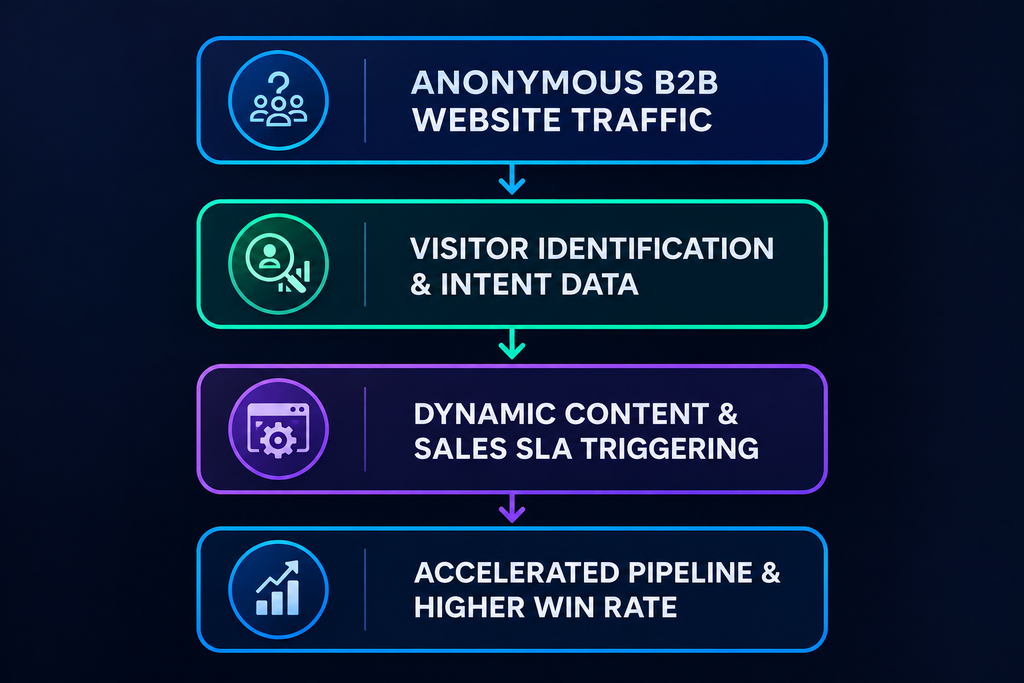
Data-driven personalisation examples for B2B website experiences rely on IP lookup and firmographic data to instantly swap homepage headlines, client logos, and case studies based on the visitor’s industry, company size, and tech stack. This reduces bounce rates and guides prospective buyers toward relevant solutions immediately.
When an anonymous prospect lands on your site, generic value propositions cause friction. By deploying website visitor identification and firmographic targeting, your platform dynamically serves content tailored specifically to that company profile.
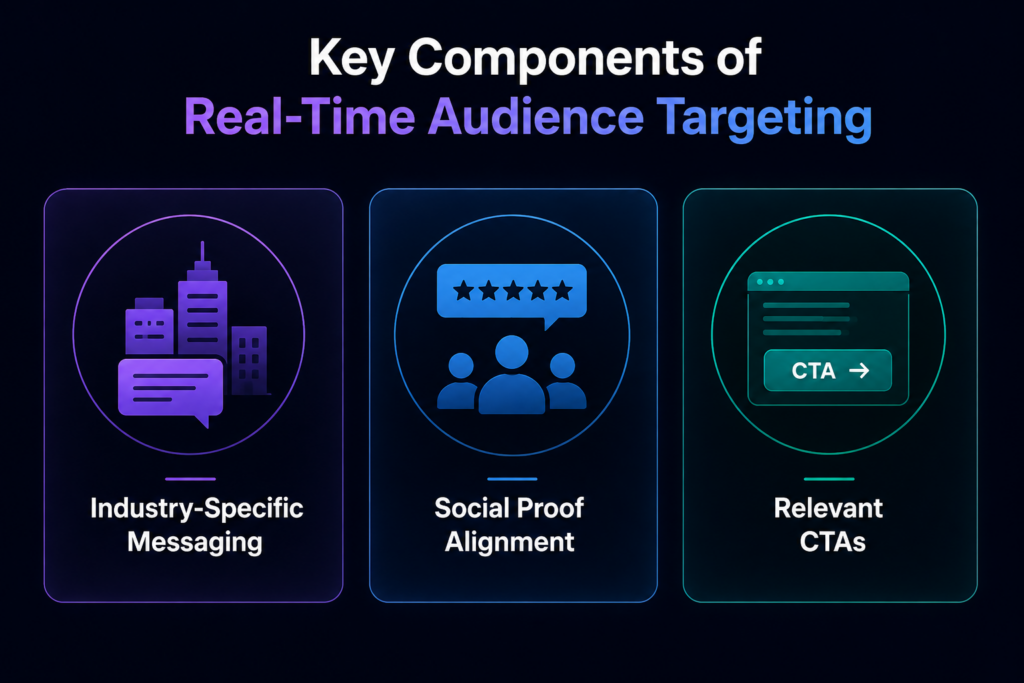
- Industry-Specific Messaging: A visitor from a financial institution sees compliance-focused headlines, whereas a healthcare prospect sees HIPAA-oriented messaging.
- Social Proof Alignment: Show logos and case studies matching the visitor's sector to build instant trust.
- Relevant CTAs: Direct mid-market visitors toward self-guided tours, while enterprise accounts receive high-touch booking prompts.
Aligning real-time content with buyer characteristics ensures prospect engagement remains high from the initial click.
High-Converting B2B Intent Data Strategies and SLA Tracking
Modern B2B intent data strategies combine third-party surge signals with first-party browsing behaviour to alert sales teams when high-value accounts explore specific solutions. Automatic SLA tracking ensures sales reps engage these warm accounts within minutes, dramatically increasing contact rates and accelerating deal velocity.
Timing dictates sales success. Combining account-based marketing automation with robust B2B intent data strategies allows sales teams to reach prospects precisely when purchase intent spikes.
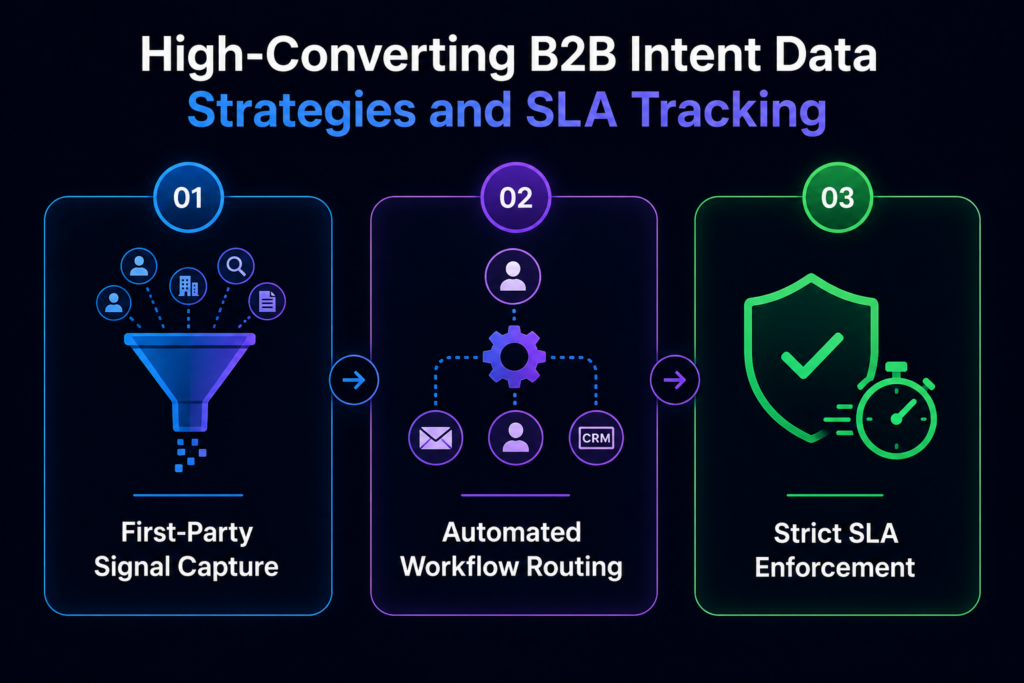
- First-Party Signal Capture: Track target accounts reading pricing pages, security documentation, or integration guides.
- Automated Workflow Routing: Push instant alerts into Slack or CRM platforms when an account hits custom engagement thresholds.
- Strict SLA Enforcement: Establish clear internal response timelines to ensure sales reps contact warm accounts before interest cools.
Prioritising outreach based on explicit buyer behaviour allows RevOps teams to maximise team efficiency and shorten sales cycles.
Personalised Account-Based Landing Pages for Hyper-Targeted Campaigns
Dedicated account-based landing pages customise value propositions, pricing tables, and assigned account team details for target accounts. Driven by CRM data and campaign tags, these tailored pages create a frictionless bridge between outbound outreach and inbound conversion.
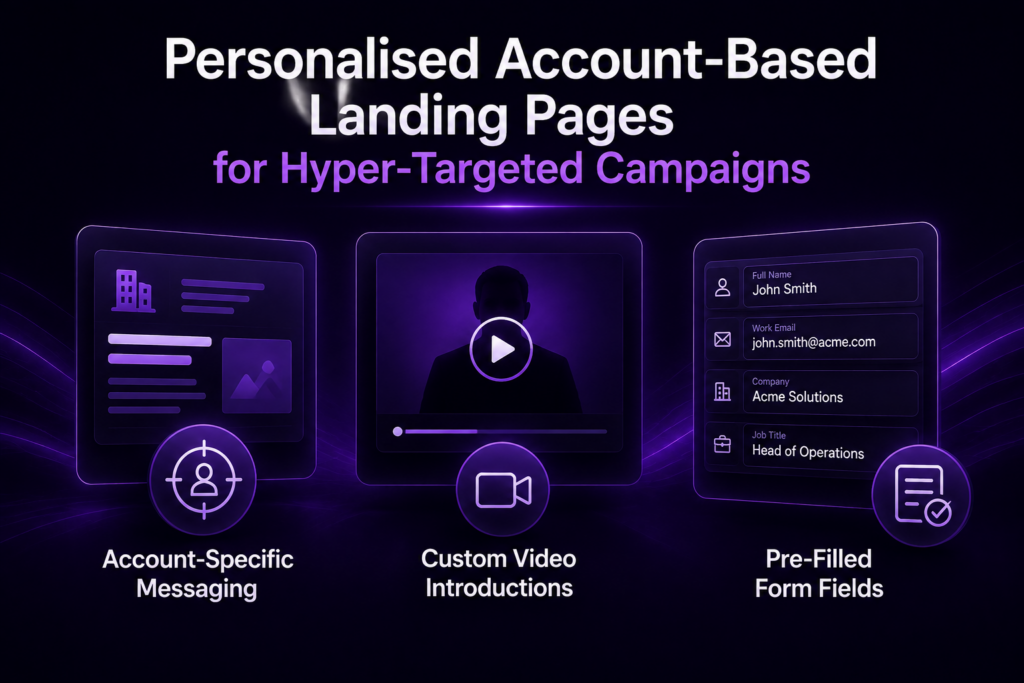
Outbound email campaigns perform significantly better when sending prospects to tailored environments rather than generic product pages.
- Account-Specific Messaging: Speak directly to known operational challenges, existing software integrations, or industry compliance needs.
- Custom Video Introductions: Embed personalised greetings from the assigned account executive to humanise the brand.
- Pre-Filled Form Fields: Utilise stored firmographic details so prospective buyers can book meetings with a single click.
Providing a frictionless, custom conversion path demonstrates high commitment to target accounts while lifting overall campaign ROI.
Frequently Asked Questions
What are data-driven personalisation examples for B2B marketing?
Data-driven personalisation examples for B2B include dynamic website content based on visitor IP, intent-triggered sales alerts, personalised landing pages for ABM accounts, and automated lead routing driven by firmographic scoring. These strategies leverage real-time data to create relevant buyer experiences thdata-driven personalisation examples for B2Bat drive conversions.
How do B2B intent data strategies improve conversion rates?
B2B intent data strategies identify accounts actively researching solutions across the web or on your site. By alerting sales teams to high-intent behaviour in real time, representatives can initiate relevant conversations while the buyer is actively searching, significantly increasing meeting booking rates and deal sizes.
Why is firmographic data essential for B2B personalisation?
Firmographic data provides crucial context such as company size, industry, revenue, and location. Using these attributes allows B2B organisations to segment audiences accurately, tailor messaging to industry-specific pain points, and route high-value accounts to enterprise sales representatives automatically.
What software is needed to execute B2B personalisation?
Executing scalable B2B personalisation typically requires website visitor identification software, a central CRM, intent data feeds, and marketing automation tools. Platforms like Dynamic Leads unify these layers, letting teams identify anonymous site visitors and trigger immediate, personalised sales workflows.
Conclusion
Scaling B2B revenue requires moving past surface-level tokens and adopting meaningful, data-fueled buyer journeys. Deploying operational data-driven personalisation examples for B2B across your website, outbound campaigns, and sales workflows creates seamless experiences that turn interest into revenue.
Integrating real-time visitor identification with automated RevOps workflows empowers your sales team to engage high-value accounts at peak interest. Ready to turn anonymous traffic into actionable sales pipeline? Book a Demo with Dynamic Leads today to see real-time personalisation in action.