
The modern commercial environment has shifted power completely into the hands of corporate buyers. Traditional outbound strategies that rely on generic, high volume pitches no longer yield predictable revenue. Today, revenue leaders must adapt by building highly tailored, empathetic, and data backed experiences.
By mastering buyer centric selling, your organization can transition from an intrusive vendor to an indispensable partner. This comprehensive guide outlines the exact frameworks, software tools, and strategic shifts required to align your sales pipeline with the expectations of sophisticated corporate decision makers.
Shifting From Product Pitching To Buyer Centric Selling
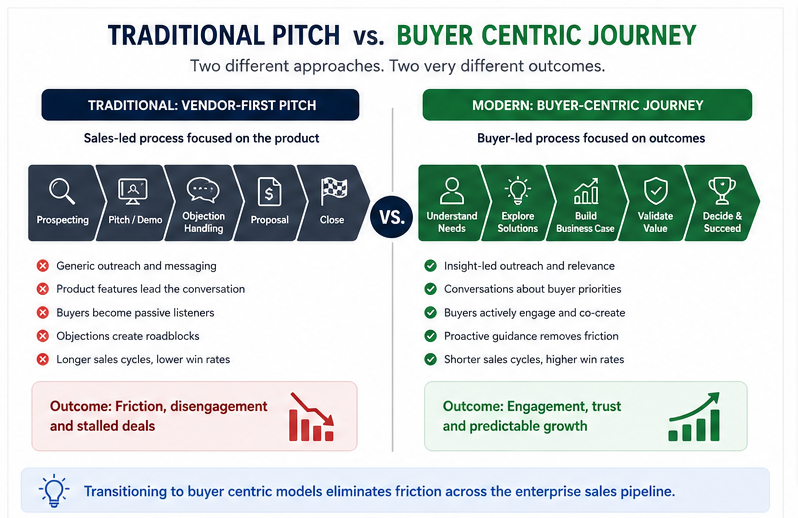
To implement buyer centric selling, businesses must abandon generic feature lists and design their processes around customer challenges. This transition requires integrating modern sales intelligence software to identify buyer pain points before the initial conversation, ensuring every touchpoint delivers immediate educational value.
Traditional outbound sales methodologies are built around the internal milestones of the vendor, such as cold call volumes, generic demonstration bookings, and rigid closing sequences. However, modern b2b buyers conduct extensive independent research before ever engaging with a sales professional. They interact with your digital assets anonymously, seeking answers to specific operational inefficiencies.
Buyer centric selling bridges this communication gap. By utilizing advanced b2b lead generation software, revenue teams can observe these digital footprints clearly. This data allows sales development representatives to skip basic introductions and dive straight into solving the exact problems the target account is facing.
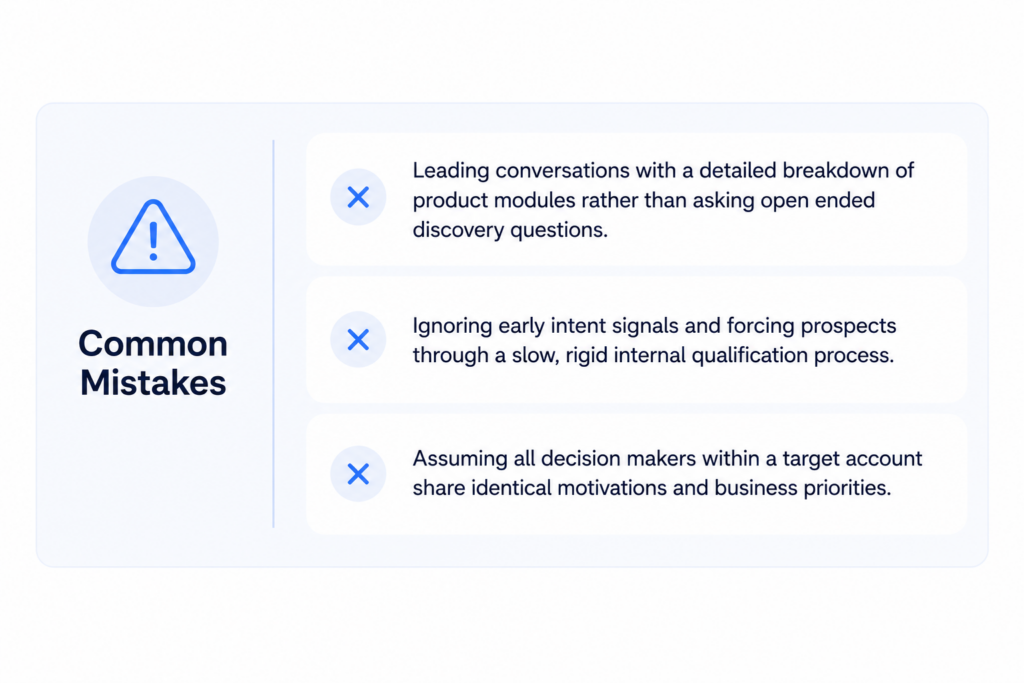
Consider an enterprise cybersecurity organization attempting to secure a meeting with a major financial institution. A traditional approach involves sending generic email blasts highlighting platform uptime statistics. A buyer centric approach utilizes intent tracking to notice that the institution has spent hours reviewing compliance documentation on your website. The sales representative reaches out with a tailored case study detailing how a similar firm solved that exact compliance bottleneck.
Buying Advice
When evaluating systems to support this methodology, look for platforms that offer real time alerts and deep account enrichment. Avoid tools that only provide static email lists without contextual behavior data. You can read more about selecting appropriate tracking software frameworks through the Dynamic Leads Hub.
To discover how targeted web metrics can surface immediate indicators of purchasing interest, review our analysis on sales signals company ready buy.
Transitioning to a buyer first framework shortens the sales cycle by removing communication friction and positioning your sales representatives as knowledgeable industry consultants.
Effective buyer journey personalisation relies on deploying reliable website visitor identification technology. This software uncovers the corporate identities of anonymous website traffic, giving your sales team the real time insights needed to deliver contextual messaging at the exact moment of peak interest.
According to comprehensive research published on buyer behavior by the Gartner Sales Practice, sales teams that provide high quality, information rich buying experiences are significantly more likely to secure high value enterprise contracts.
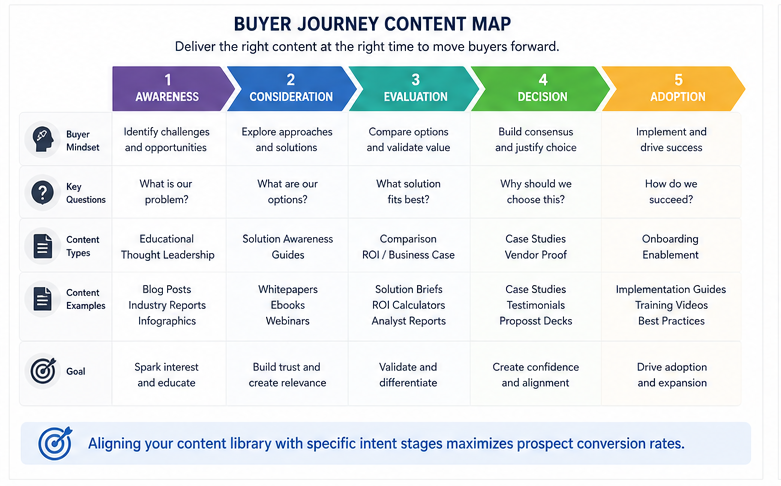
True personalisation goes far beyond changing the first name field in an automated email sequence. It requires a complete understanding of where an organization sits within the b2b sales cycle. If an account is in the early awareness stage, they require objective educational content. If they are in the late evaluation stage, they require granular implementation details and clear pricing breakdowns. To map these steps correctly, teams must dive deep into studying the b2b buyer journey modern leads follow.
Without proper technology, sales teams operate blindly. Website tracking software solves this issue by identifying which companies are reading your blogs, comparing your pricing tiers, or reviewing your integration pages. This transparency allows your account executives to tailor their presentation decks perfectly, ensuring every slide addresses a known corporate objective.
Myth vs Fact
- Myth: Buyer centric selling means letting the prospect completely control the pricing and contract timelines.
- Fact: This strategy means guiding the prospect efficiently by using data to anticipate their needs and remove purchasing friction.
Prioritize software options that seamlessly integrate with your existing CRM architecture to ensure your sales professionals can access tracking data without switching platforms. Review our full deployment portfolio on our solutions page.
Learn how matching visitor identification with deep account data clears up sales visibility in our guide to data enrichment b2b prospecting.
Insights from the Harvard Business Review Digital Section emphasize that corporate customers reward vendors who drastically simplify the information gathering and purchasing processes.
Deploying advanced intent tools enables flawless journey personalisation, transforming cold outbound outreach into warm, welcome consultative business conversations.
B2B Buyer Centric Buying Checklist
- Integrate real time visitor identification software across all digital assets.
- Rebuild sales decks to focus entirely on customer problem statements.
- Train sales development representatives to analyze intent history before making outreach, maximizing eye-opening b2b prospecting outreach the power of a strategic phone call practices.
- Align marketing content production with distinct stages of the purchasing cycle.
- Establish automated alerts for high value accounts visiting bottom of funnel pages.
Troubleshooting Sales Friction
- Symptom: High web traffic but incredibly low conversion rates on demo booking pages.
- Core Problem: The booking process is too long, or the content fails to address immediate problems.
- Solution: Deploy visitor tracking to discover what those accounts are researching, then simplify your forms and reach out directly with relevant resources.
FAQ
How does website visitor identification integrate with CRM platforms?
Most modern visitor tracking software connects directly via native API keys, allowing intent signals to log automatically under specific target account profiles for immediate sales visibility.
Does buyer centric selling require longer deal cycles?
No, it actively compresses the overall pipeline length because sales reps eliminate fluff and address core buying criteria immediately.
What industries benefit most from sales intelligence software?
High value B2B sectors including SaaS, corporate technology infrastructure, marketing agencies, recruitment firms, and industrial manufacturing see the highest return on investment.
Can outbound sales still work alongside this methodology?
Yes, outbound efforts become far more successful because campaigns are targeted at accounts displaying clear behavioral intent signals.
How do you track intent without violating user data privacy?
Advanced tracking platforms identify corporate IP addresses and business entities rather than gathering protected personal data from individual users.
Adopting a buyer centric methodology is the most reliable way to future proof your B2B revenue generation. By shifting your perspective, focusing on value, and powering your pipeline with advanced visitor tracking data, you create frictionless experiences that corporate decision makers appreciate.
Stop guessing who is interested in your services. Take control of your pipeline metrics and empower your sales professionals with the context they need to succeed.
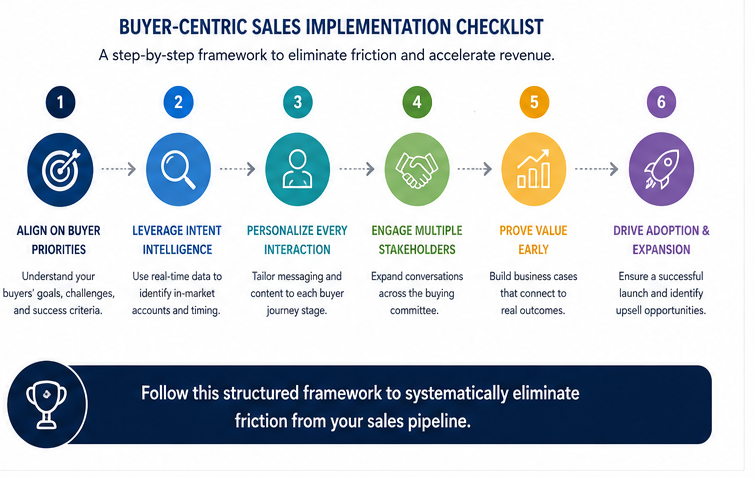
Elevate Your B2B Sales Experience
Ready to see who is exploring your website right now? Book a Demo with Dynamic Leads today and launch your high growth sales strategy.