
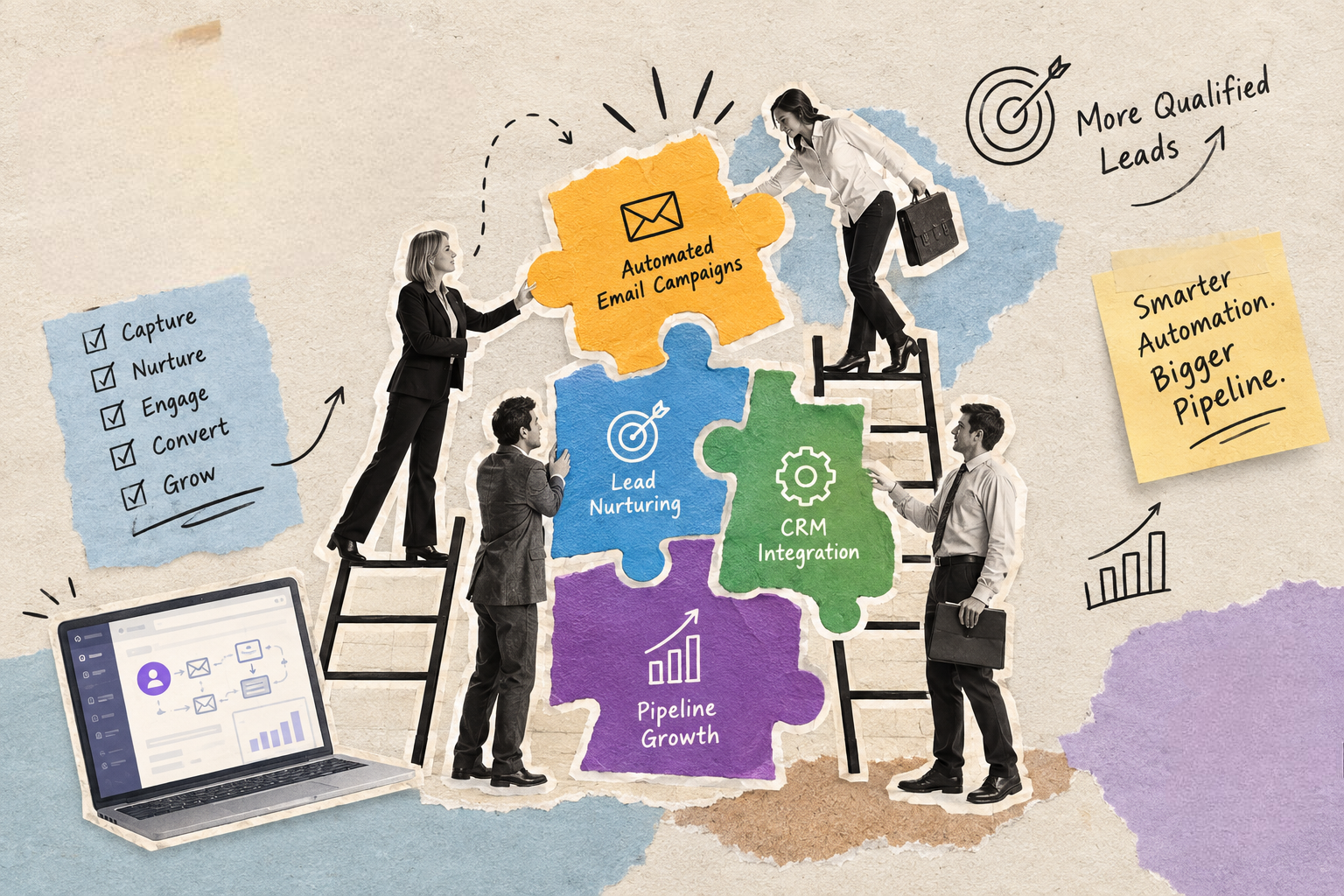
The modern B2B buyer journey is longer and more fragmented than ever before. B2B SaaS companies, tech providers, and industrial firms frequently struggle with leaked revenue opportunities because traditional marketing automation platforms fail to capture early buyer intent. When potential clients research solutions anonymously, revenue teams miss the critical window to engage before competitors do. Scaling pipeline velocity requires a connected ecosystem that pairs automated nurturing with real-time lead intelligence.
What are the top B2B marketing automation platforms for pipeline growth?
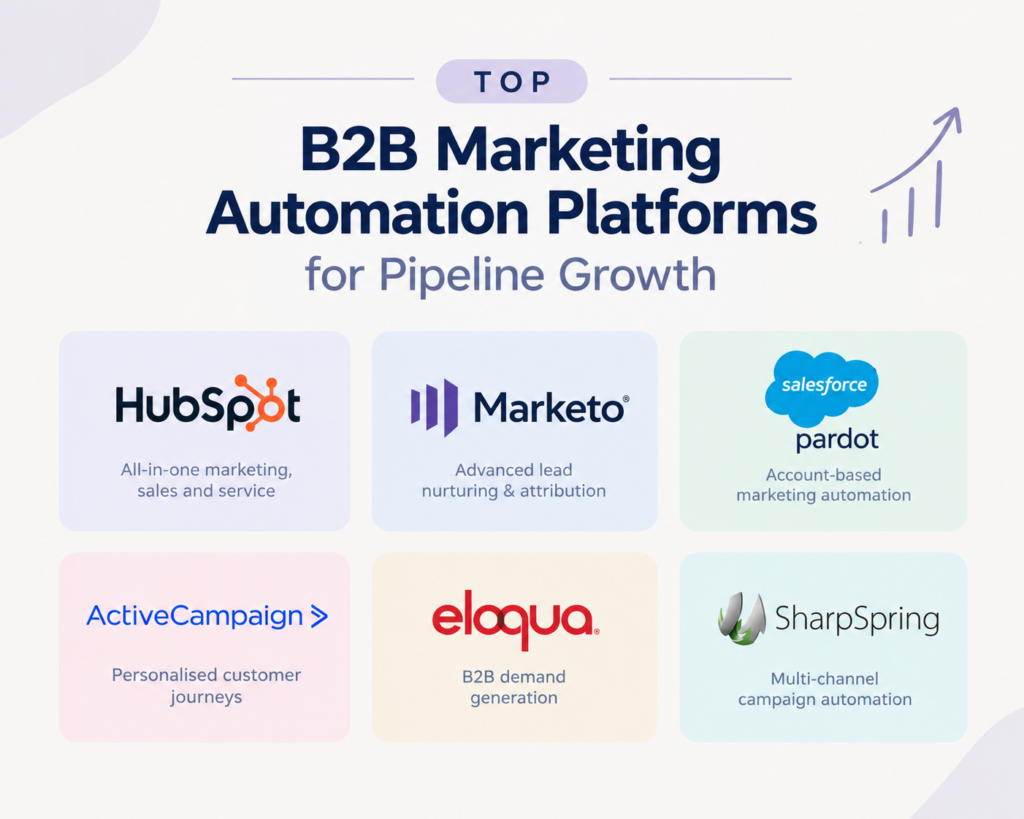
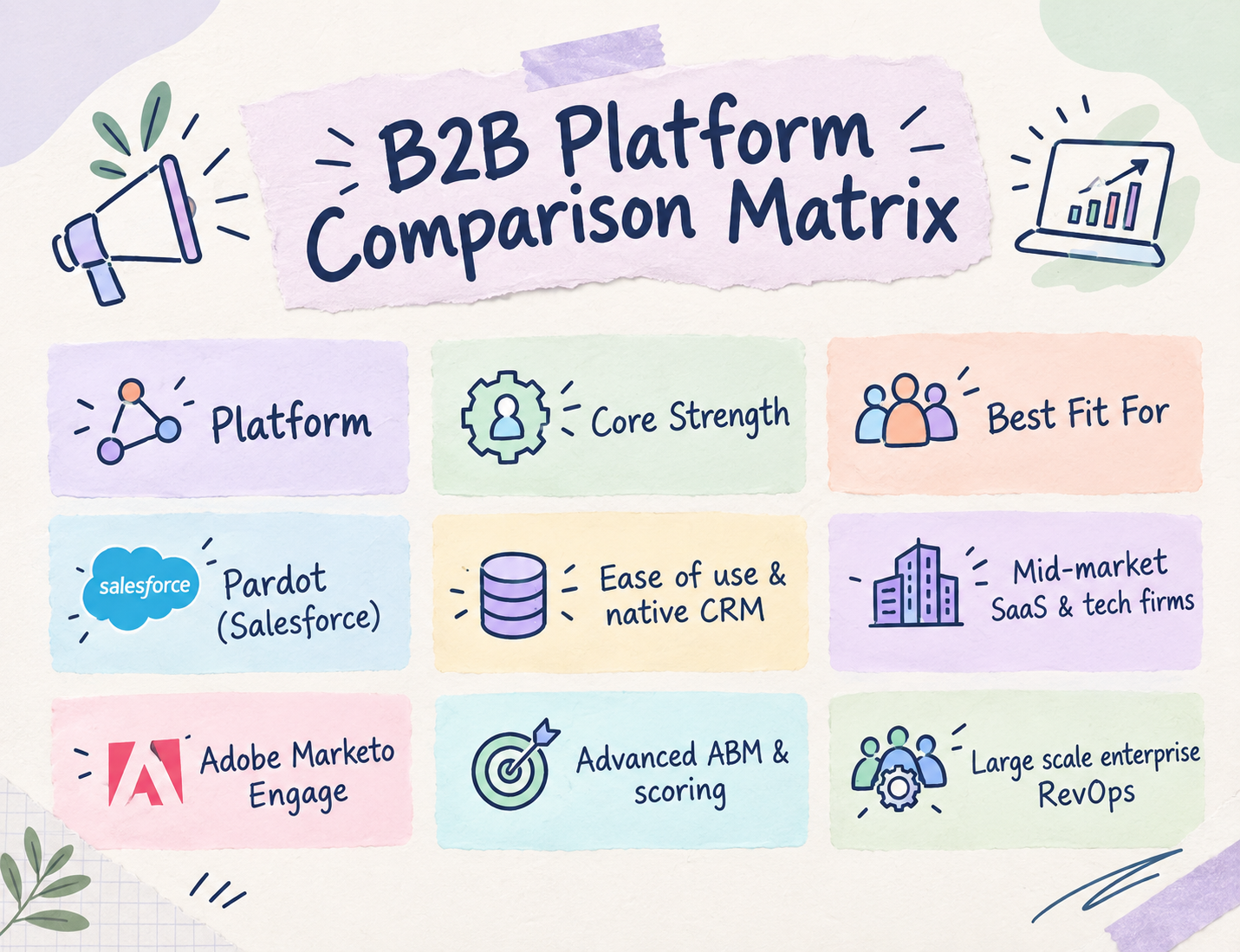
Top B2B platforms like HubSpot, Salesforce Account Engagement, and Adobe Marketo Engage streamline lead management, email nurturing, and campaign analytics. Choosing the right tool depends on your operational scale, CRM architecture, and how effectively the software ingests real-time intent data to accelerate sales pipelines. True revenue alignment ultimately relies on a tech stack that captures buying signals, scores prospects, and triggers timely sales outreach.
How Website Visitor Identification Drives Revenue for Modern Teams
When comparing B2B marketing automation platforms, website visitor identification serves as a crucial capability by deanonymising traffic to reveal the individuals and organisations browsing your site. By capturing key identity markers like company domain, size, and contact details, this technology turns raw web traffic into actionable lead intelligence. Platforms like 6sense, Demandbase, and HubSpot leverage these insights to help revenue teams engage high-intent prospects earlier, route warm accounts instantly, and boost conversion rates.
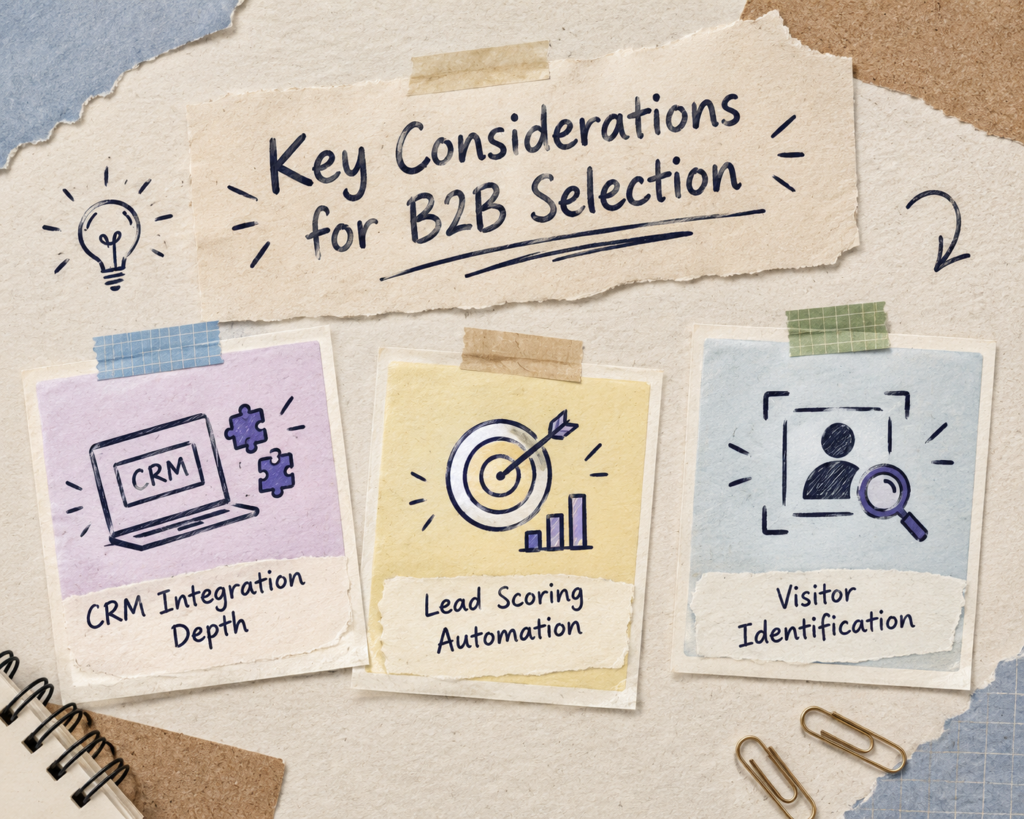
Key Considerations for B2B Selection
- CRM Integration Depth: Ensure bidirectional syncing to maintain clean data across marketing and sales teams.
- Lead Scoring Automation: Look for dynamic scoring models that incorporate both fit criteria and real-time behavioral signals.
- Visitor Identification: Capture high intent traffic early by tracking anonymous company visits before forms are submitted.
Connecting your marketing automation software to direct intent mechanisms like Dynamic Leads ensures your sales team receives immediate alerts when target accounts visit high value pages.
How does intent data transform B2B marketing automation efficiency?
Intent data transforms B2B marketing automation platforms by shifting teams from reactive email broadcasts to proactive, signal-based engagement. By identifying target accounts demonstrating active buying behaviour, automation workflows can trigger personalized sequences, assign sales tasks instantly, and cut overall deal cycle durations significantly.
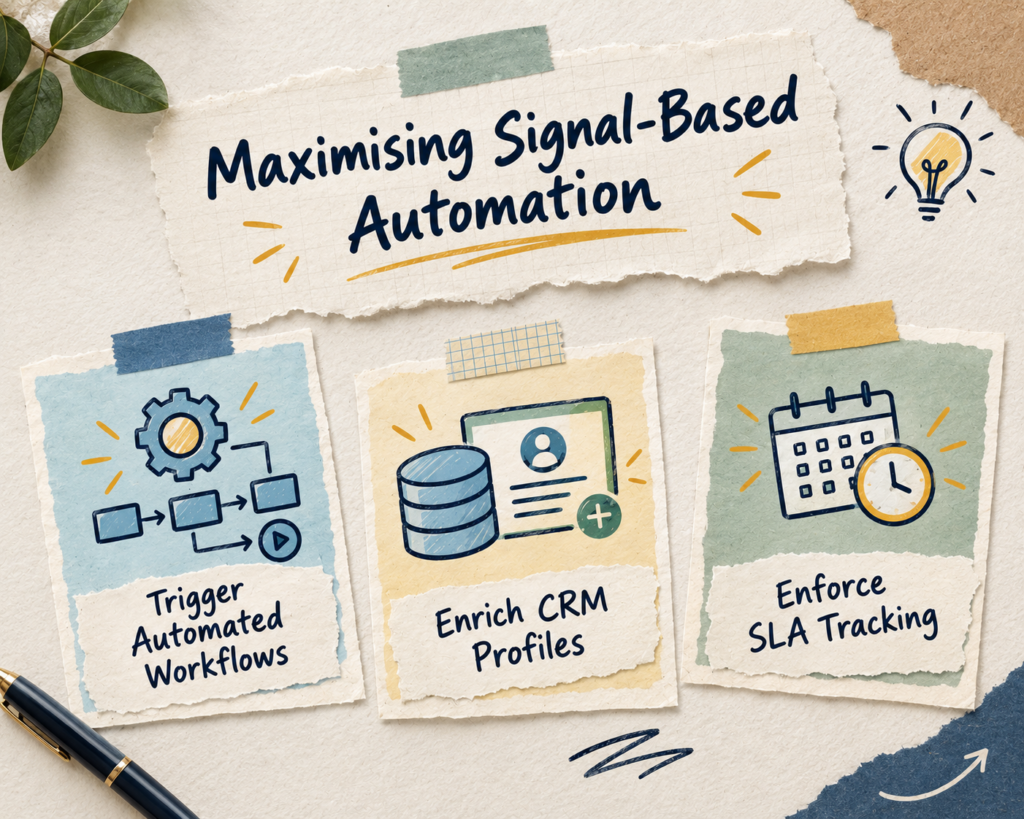
Maximising Signal-Based Automation
Integrating robust website visitor identification into your automation stack creates an automated bridge between anonymous web browsing and active outbound sales.
- Trigger Automated Workflows: Launch tailored email campaigns the moment an enterprise account spends time on pricing or feature pages.
- Enrich CRM Profiles: Automatically append company size, industry classification, and verified contact details to existing records.
- Enforce SLA Tracking: Direct warm leads to dedicated account executives within minutes of high intent activity.
Using a dedicated revenue operations tool setup ensures marketing efforts translate directly into measurable pipeline acceleration without manual data entry.
Frequently Asked Questions
What is the primary difference between sales intelligence software and marketing automation?
Marketing automation platforms focus on executing campaigns, segmenting audiences, and nurturing leads through structured email sequences. In contrast, B2B sales intelligence software identifies buying signals, reveals contact information, and uncovers anonymous intent data to fuel those automated systems.
Can mid-market B2B companies combine visitor identification with existing automation platforms?
Yes, integrating website visitor identification software with platforms like HubSpot or Pardot allows mid-market companies to instantly map IP addresses to target companies, triggering immediate workflows and sales notifications without requiring complete software replacement.
How does account based marketing (ABM) benefit from marketing automation?
Account based marketing relies on precise timing and personalized messaging. Marketing automation enables ABM strategy by orchestrating multi-channel interactions, tracking account level engagement scores, and alerting account reps when buying committees display coordinated intent online.
Conclusion
Selecting the right marketing automation platform is only the first step, true pipeline velocity requires pairing your core software with real-time visitor identification to turn anonymous website traffic into actionable sales opportunities. Book a demo with Dynamic Leads today to eliminate dark funnel blind spots and discover which target accounts are researching your platform right now.