
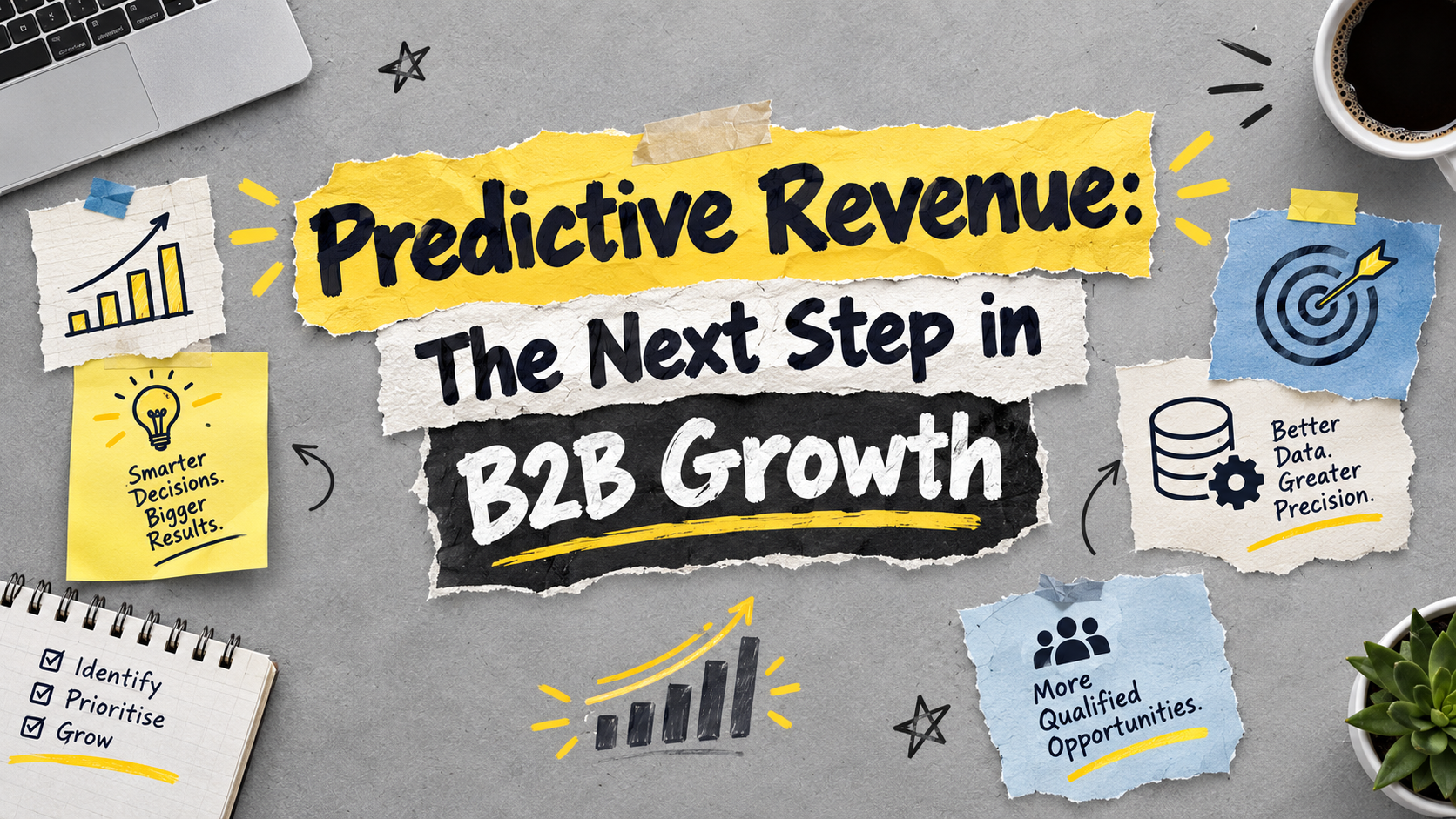
B2B sales leaders face an unsustainable reality: rising customer acquisition costs and lengthening sales cycles. Relying on intuition or outdated forecasting frameworks leaves revenue teams chasing cold leads while warm accounts slip away unnoticed. To build scalable momentum, growth leaders are turning to predictable Revenue. This forward looking methodology shifts revenue operations from reactive guessing to proactive pipeline creation. By combining real time visitor identification with actionable buyer signals, B2B organisations can systematically capture in market demand and secure long term growth.
What is Predictive Revenue in B2B Growth?
Predictable Revenue is a data driven operational model that forecasts future B2B sales by analysing buyer signals, firmographics, and real time engagement patterns. Instead of relying on manual estimates, it uses buyer buyer intent signals to identify accounts actively seeking solutions, allowing revenue teams to optimize resources and accelerate conversion cycles with precision.
Predictable Revenue shifts go to market strategies from reactive outreach to proactive account targeting. Traditional models depend heavily on historic sales rep inputs, which are often prone to human bias and delayed updates. In contrast, modern predictive systems process first party buyer intent signals alongside account behavior to reveal which companies are currently in a buying cycle.
When revenue operations (RevOps) teams align around these unified signals, marketing and sales teams can execute targeted outreach before a prospect reaches out to a competitor. This alignment ensures that every pound spent on acquisition directly impacts measurable pipeline.
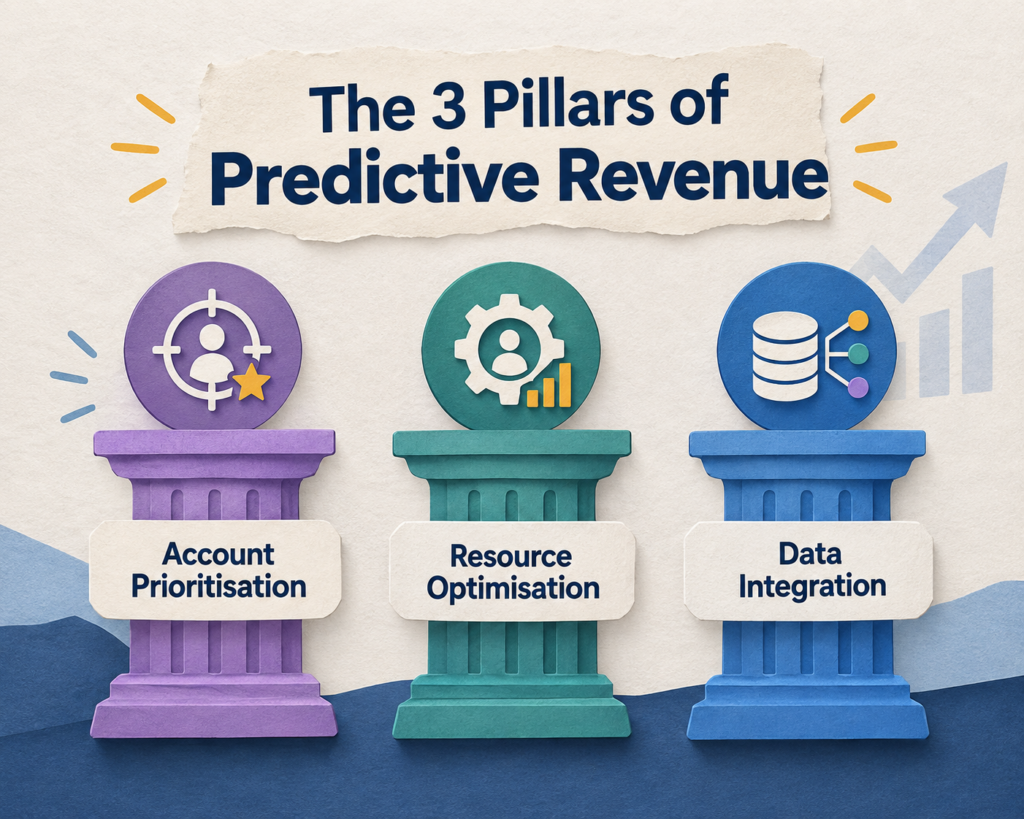
- Account Prioritisation: Focus sales power on prospects actively searching for your solutions.
- Data Integration: Combine website visitor identification with CRM records for a clear view of buyer interest.
- Resource Optimisation: Eliminate wasted ad spending on low fit accounts that never convert.
How Intent Data and RevOps Drive Pipeline Velocity
Buyer Intent Signals and RevOps drive pipeline velocity by pinpointing target accounts at the exact moment of commercial interest. By monitoring content engagement, search behavior, and website visits, revenue teams enforce strict SLA tracking to instantly route warm leads to sales reps, dramatically shortening overall deal cycles.
Pipeline velocity relies on timing. A prospect researching your software solution today is cold by next week if no one reaches out. Incorporating real time buyer signals into your RevOps engine creates a streamlined process from initial digital footprint to booked meeting.
Automated Visitor Identification
Most website visitors leave without filling out a lead form. Modern B2B intelligence tools solve this by converting anonymous web traffic into actionable company profiles. Knowing exactly which accounts spend time on high value landing pages gives your team a distinct advantage.
Streamlined SLA Tracking
Service Level Agreements (SLAs) between marketing and sales frequently fail due to delayed handoffs. Predictive models automate notifications when an account reaches a predefined threshold of buyer intent signals, ensuring sales development teams act within minutes rather than days.
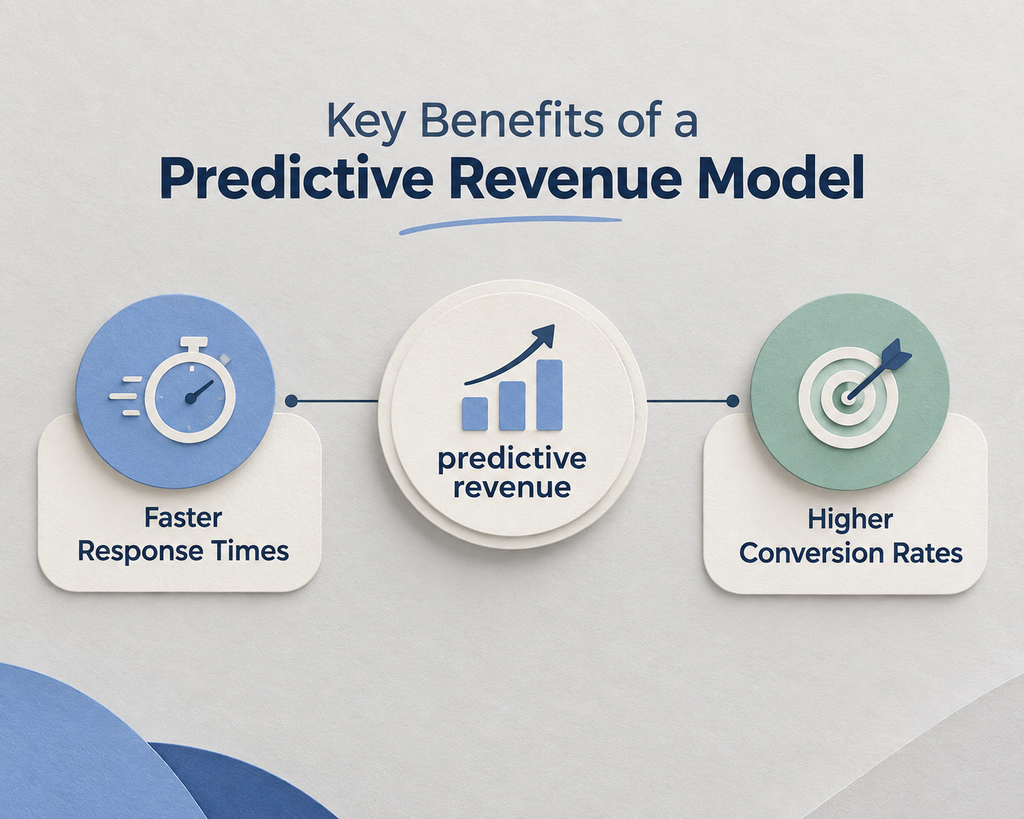
- Faster Response Times: Connect with high intent accounts while their interest is peaked.
- Smarter Lead Scoring: Assign scores based on actual digital footprint rather than basic demographic info.
- Higher Conversion Rates: Deliver tailored messaging based on the exact topics an account researched.
Implementing Predictive Revenue Across B2B Sectors
B2B organisations implement predictable Revenue by auditing existing buyer touchpoints, centralising client data within a Revenue Operations engine, and integrating real time B2B sales intelligence tools. This infrastructure allows teams to identify high value accounts early and deploy personalized outreach strategies that close deals faster.
Whether operating in B2B SaaS, IT services, industrial manufacturing, or recruitment, the core objective remains the same: identify high probability accounts and deliver value early.

Implementing this system requires three clear operational shifts:
- Unify Customer Data: Connect marketing automation, website analytics, and CRM records into a single truth source.
- Define High Intent Signals: Identify which page visits and content downloads correlate with closed won deals.
- Automate Outreach Workflows: Build automated triggers that alert account executives when a target account demonstrates buying intent.
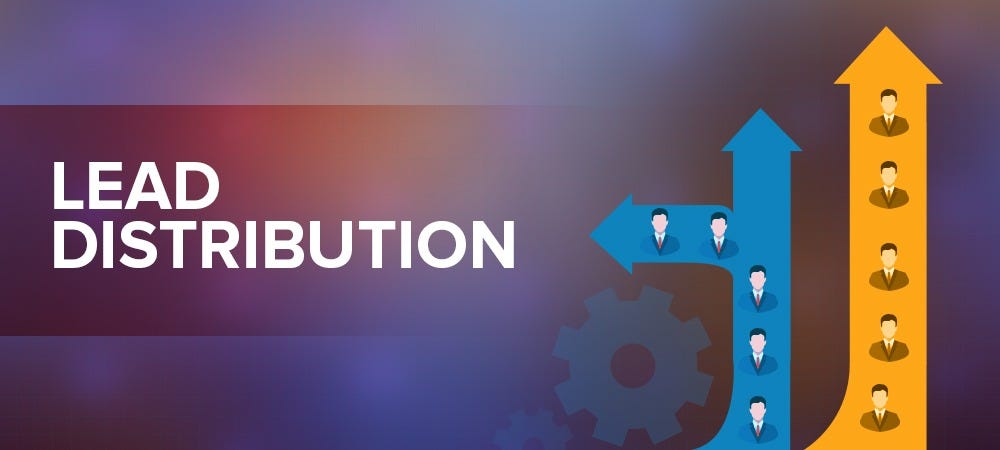
By combining website visitor identification with automated lead distribution, sales teams spend less time prospecting blindly and more time speaking with ready to buy decision makers.
Frequently Asked Questions
What is the difference between traditional forecasting and predictive revenue?
Traditional forecasting relies on manual sales rep inputs and past closed deals, making it prone to human bias. Predictable Revenue uses live buyer intent signals, website interactions, and automated Revenue Operations metrics to forecast future revenue based on active buyer behavior.
How does website visitor identification support predictive revenue?
Website visitor identification turns anonymous traffic into firmographic data. By knowing which target companies are browsing key pricing or feature pages, sales teams can reach out proactively to high value accounts before they ever fill out a form.
What key metrics measure the success of predictive revenue?
Key performance indicators include pipeline velocity, lead to opportunity conversion rates, customer acquisition cost reduction, sales cycle length, and SLA tracking compliance between marketing and sales teams.
Can non SaaS B2B companies use predictive revenue models?
Yes, manufacturing, recruitment, cybersecurity, and professional service firms successfully use predictive models. Any business with a long sales cycle and high average order value benefits from targeting accounts displaying active buyer intent.
Scaling B2B Growth with Predictive Revenue
Transitioning to a Predictable Revenue model is no longer optional for B2B companies seeking sustainable expansion. By moving past outdated sales techniques and adopting a system powered by Buyer Intent Signals, Revenue Operations integration, and website visitor identification, your team creates a reliable growth engine. This strategy ensures you consistently engage the right accounts at the ideal moment. Ready to see which target accounts are browsing your website right now? Book a demo with Dynamic Leads today and transform anonymous traffic into qualified pipeline.