B2B sales teams frequently struggle with inconsistent revenue streams, extended conversion cycles, and low prospect response rates. Traditional sales tactics relying purely on volume outreach yield diminishing returns. Modern buyers conduct thorough independent research long before contacting a sales representative. If your team cannot identify active interest early, valuable opportunities slip away quietly to competitors.
Building a high converting sales process requires shifting from reactive lead handling to proactive intelligence gathering. By using real time buyer intent signals alongside optimized revenue workflows, sales teams can target buyers when interest peaks. This article covers the essential blueprint for constructing a streamlined B2B revenue framework that turns casual browsers into long term clients.
1. Capture High Intent Traffic Through Website Visitor Identification
A high converting sales process relies on identifying website visitor intent before prospects submit forms. By capturing anonymous company traffic and matching IP addresses to sales intelligence software databases, RevOps teams immediately surface active decision makers, enabling rapid outbound engagement while buyer interest is highest.
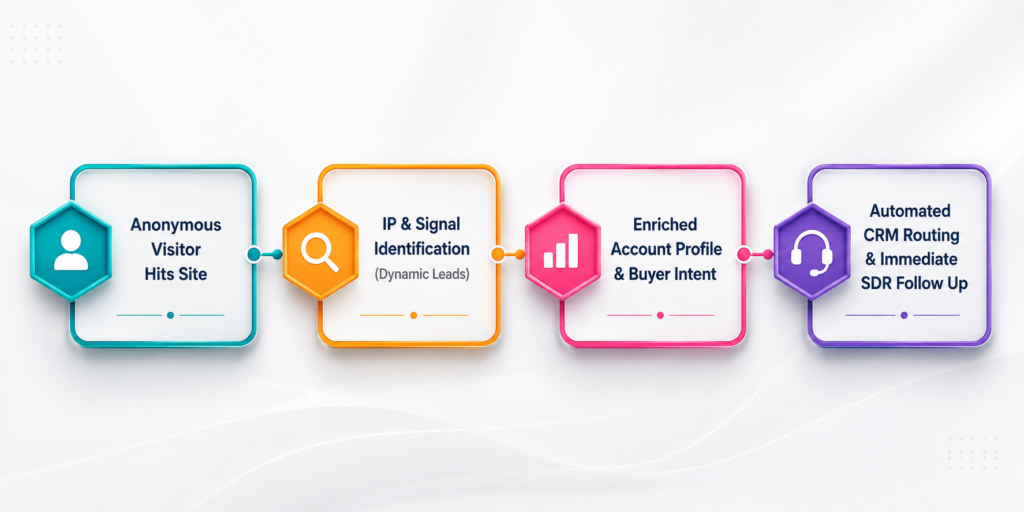
Unidentified website traffic represents a major leak in modern sales funnels. Up to 98 percent of B2B website visitors leave without filling out forms. Waiting for manual inquiries forces your pipeline to rely on a tiny fraction of total interest.
Integrating advanced sales intelligence software allows you to map anonymous IP addresses directly to verified corporate accounts. Your sales team receives instant notifications when target accounts browse pricing pages or high value solution features.
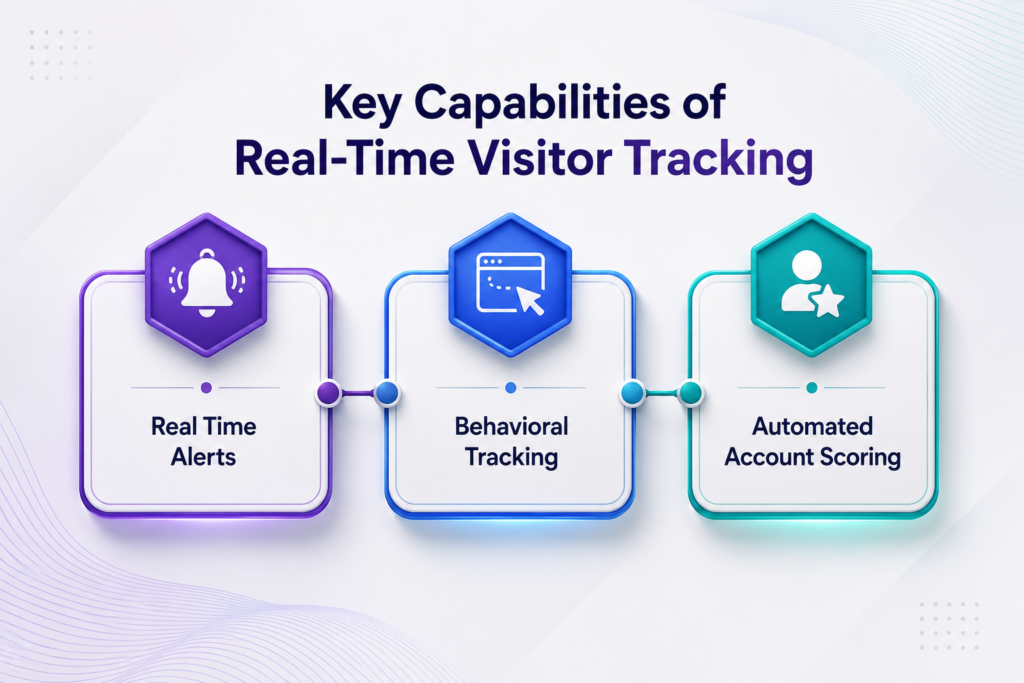
- Real Time Alerts: Notify account executives instantly when tier one target accounts visit critical landing pages.
- Behavioral Tracking: Monitor specific path histories to tailor follow up messaging around precise pain points.
- Automated Account Scoring: Prioritise outreach based on engagement depth and visit frequency.
Using first party buyer intent data converts passive site visits into actionable outbound opportunities, significantly reducing total sales cycles.
Leveraging First-Party B2B Buyer Intent Data for Faster Closings
Relying on generic contact lists stalls sales momentum. Integrating real-time B2B buyer intent data into your revenue workflow allows sales development representatives to identify exact accounts actively researching your product category, ensuring every touchpoint targets high-propensity buyers at peak engagement moments.
2. Implement RevOps Alignment and Strict SLA Tracking to Secure a High Converting Sales Process
Aligning marketing and sales through shared RevOps metrics guarantees seamless transition protocols for every sales lead. Clear Service Level Agreements establish exact response time benchmarks, ensuring high intent prospects receive rapid follow up, directly boosting pipeline velocity and overall deal conversion values.
Misalignment between revenue teams causes valuable leads to cool off. Marketing teams often chase raw lead volume, while sales teams prioritize short term closing opportunities. Establishing unified Revenue Operations bridges this gap through shared targets and clear qualification parameters.
Define an exact Service Level Agreement that dictates lead handoff rules. If a prospective client displays high buyer intent signals, your system must trigger automated assignment immediately:
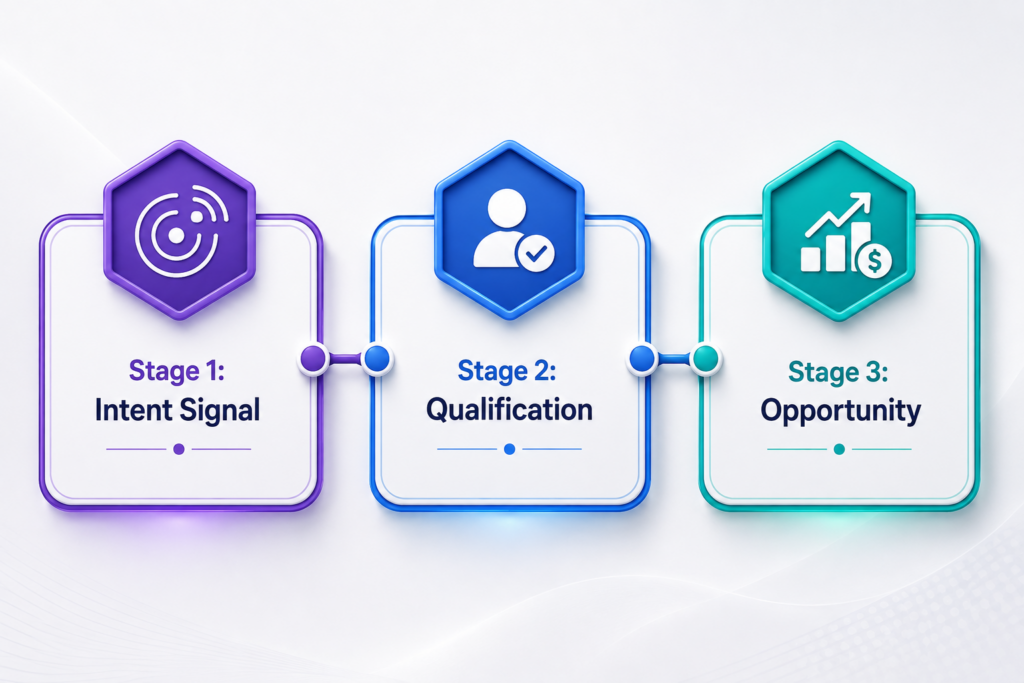
During Stage 1 (Intent Signal), when a prospect demonstrates repeat pricing page visits, the system automatically assigns the lead to an SDR to send a custom email within a maximum SLA time of under 15 minutes. Once the prospect reaches Stage 2 (Qualification) by confirming their budget and timeline, the mandatory action is to schedule a discovery call with an AE within an SLA threshold of under 24 hours. Finally, in Stage 3 (Opportunity), triggered by a proposal submission, the team must execute decision-maker follow-up within a maximum SLA time of under 48 hours.
Enforcing clear SLA tracking ensures no high intent opportunity stalls inside your sales funnel due to internal delay.
3. Scale Targeted Prospecting With Automated Sales Intelligence Software
Automating prospect research through sales intelligence software replaces manual prospecting with rich account profiles. Combining demographic, technographic, and real time behavioral intent metrics empowers sales representatives to craft highly personalized messaging, raising initial cold outreach response rates across all B2B target sectors.
Manual contact discovery drains valuable selling hours from account executives. Modern outbound workflows require unified intelligence systems that surface direct contact details alongside explicit buying signals.
Equipping account managers with automated account intelligence allows them to target active buyers instead of cold lists. Leveraging technographic filters helps identify companies currently using complementary software packages.
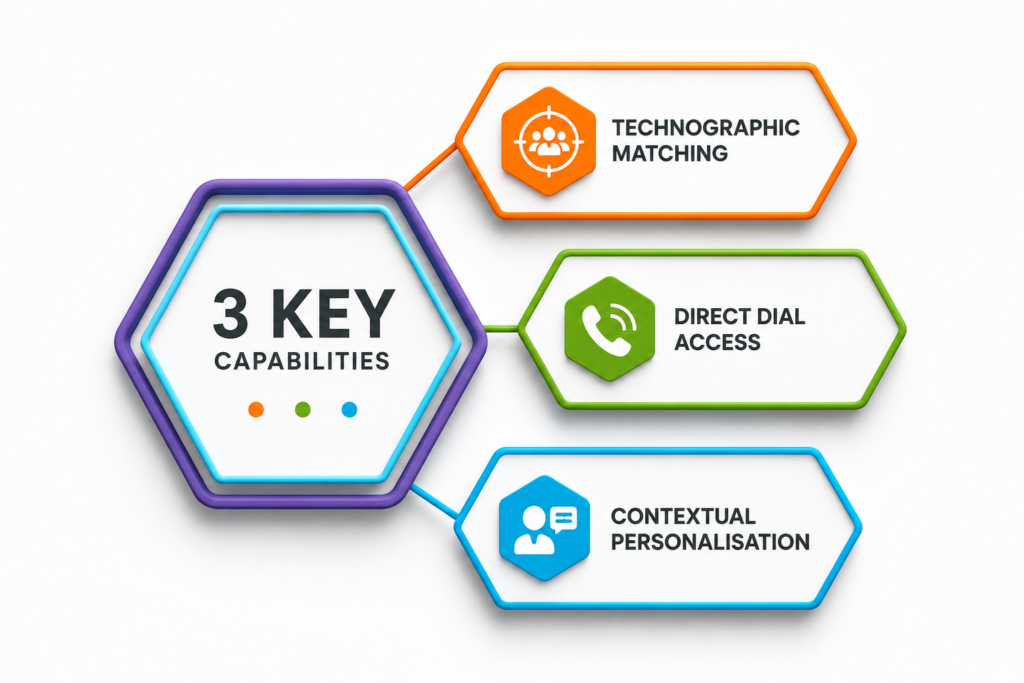
- Technographic Matching: Target accounts running specific software stacks where your solution provides clear value.
- Direct Dial Access: Reduce dials per connection by providing verified direct contact numbers for key decision makers.
- Contextual Personalisation: Reference specific content interactions within initial outreach templates to improve initial call bookings.
Structuring outreach around verified intent signals ensures your team spends time strictly on qualified conversations. Discover how modern sales intelligence software gives your team direct access to decision-maker contact details and real-time buying signals.ntent signals ensures your team spends time strictly on qualified conversations.
Frequently Asked Questions
How does intent data improve conversion rates?
Intent data identifies companies actively researching solutions like yours across the web. Reaching out precisely when a buyer demonstrates active demand allows your sales representatives to join the buying journey early, resulting in higher response rates, shorter deal cycles, and superior conversion performance.
What is the fastest way to shorten B2B sales cycles?
The fastest way to shorten sales cycles is implementing website visitor identification to capture ready to buy prospects instantly. Coupling rapid identity resolution with immediate SDR follow up via strict RevOps SLAs eliminates friction, engaging decision makers at peak interest levels.
Why do traditional B2B sales funnels fail today?
Traditional funnels fail because modern B2B buyers complete over 60 percent of their research independently online before speaking to sellers. Relying solely on static lead forms misses the vast majority of active buyers who research anonymously on your site without submitting their contact details.
Build Your Predictable Revenue Engine Today
Constructing a high converting sales process requires combining early buyer intent signals, unified RevOps SLAs, and automated sales intelligence tools. Moving away from manual prospecting allows your revenue organization to establish predictable, scalable pipeline growth.
Identifying active website visitors and engaging decision makers early helps maximize deal value while lowering acquisition costs. Modern B2B selling rewards organizations that act quickly on verified buying behavior.
Ready to uncover lost opportunities hiding on your website? Book a Demo with Dynamic Leads today to turn anonymous visitors into qualified sales pipeline.