
B2B revenue engines face a critical tipping point. Stricter global privacy regulations, the phaseout of third party cookies, and escalating buyer fatigue have rendered traditional cold outreach ineffective. Modern buyers demand privacy first B2B marketing that respects their digital boundaries while delivering personalized value. Continuing to rely on outdated, non-compliant tracking methodologies burns addressable markets, corrupts CRM data quality, and exposes organizations to massive legal liabilities.

Winning in today's market requires shifting from intrusive tracking to transparent, first party intent data collection. Embracing compliance as a growth lever unlocks higher quality opportunities, builds trust, and accelerates pipeline velocity across every stage of the sales cycle.
What Is Privacy First B2B Marketing?
Privacy first B2B marketing is a strategic framework that prioritizes user consent, data transparency, and regulatory compliance while capturing first party intent data to drive B2B lead generation. It replaces third party tracking with direct, transparent engagement models that preserve user privacy while building genuine buyer trust.
Adopting a privacy first framework means rethinking how your organization captures, processes, and activates buyer signals. Instead of purchasing scraped list data or deploying invasive web trackers, revenue teams rely on transparent interactions. Modern B2B buyers expect full control over their personal information. Aligning marketing tactics with global privacy laws creates an immediate competitive advantage.
Key Pillars of a Privacy First Framework
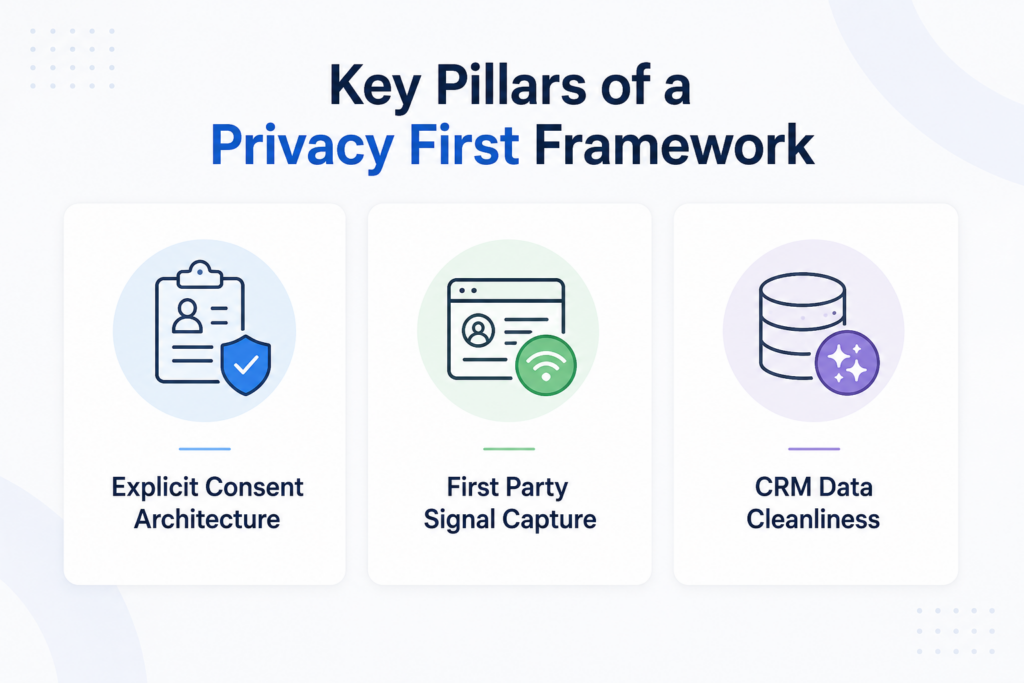
- Explicit Consent Architecture: Deploy transparent consent management platforms that give visitors granular control over data sharing choices.
- First Party Signal Capture: Capitalize on direct interactions such as content downloads, page visits, and interactive calculators to identify intent.
- CRM Data Cleanliness: Validate incoming visitor signals continuously to prevent bad data from polluting sales pipelines and damaging RevOps efficiency.
Organizations executing this model see improved lead quality and higher response rates. Buyers engage more openly when they know their data is protected.
How First Party Intent Data Powers Growth
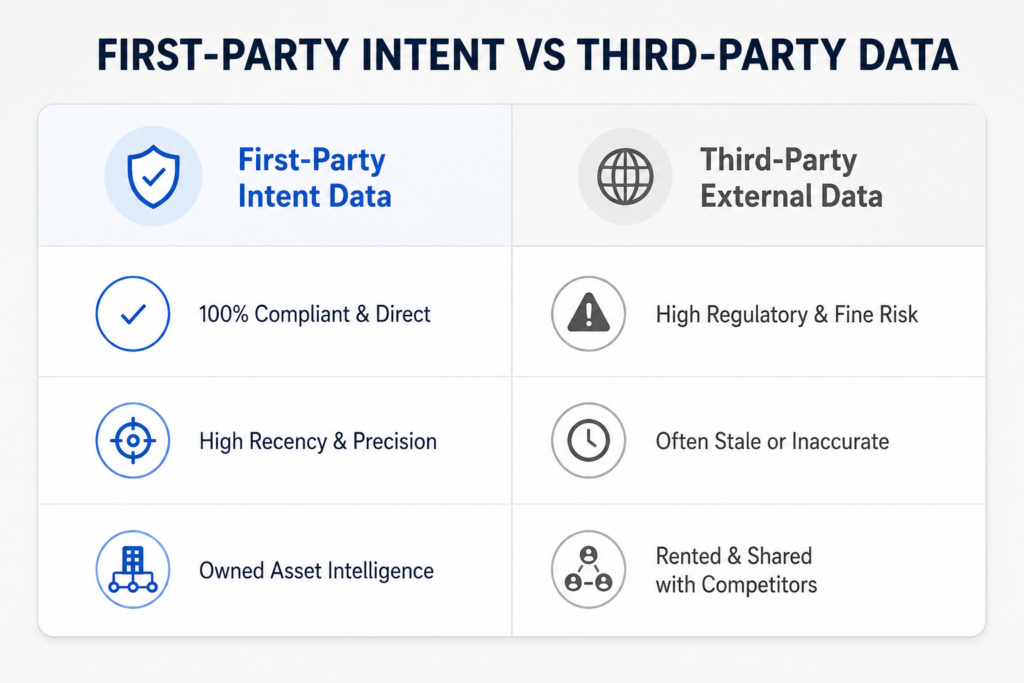
First party intent data powers revenue growth by capturing real time user behavior directly on owned digital assets. This accurate, privacy compliant signal identifies active accounts, guides personalized outreach, and boosts conversion rates without relying on external data brokers or non-compliant tracking scripts.
Traditional sales intelligence tools rely on aggregated third party cookies that decay rapidly and often violate international data standards. First party intent data captures raw, highly accurate behavioral signals directly from your domain.
Unlocking Pipeline Velocity via Website Visitor Identification
Integrating advanced website visitor identification platforms allows sales teams to unmask key accounts browsing pricing or product pages.
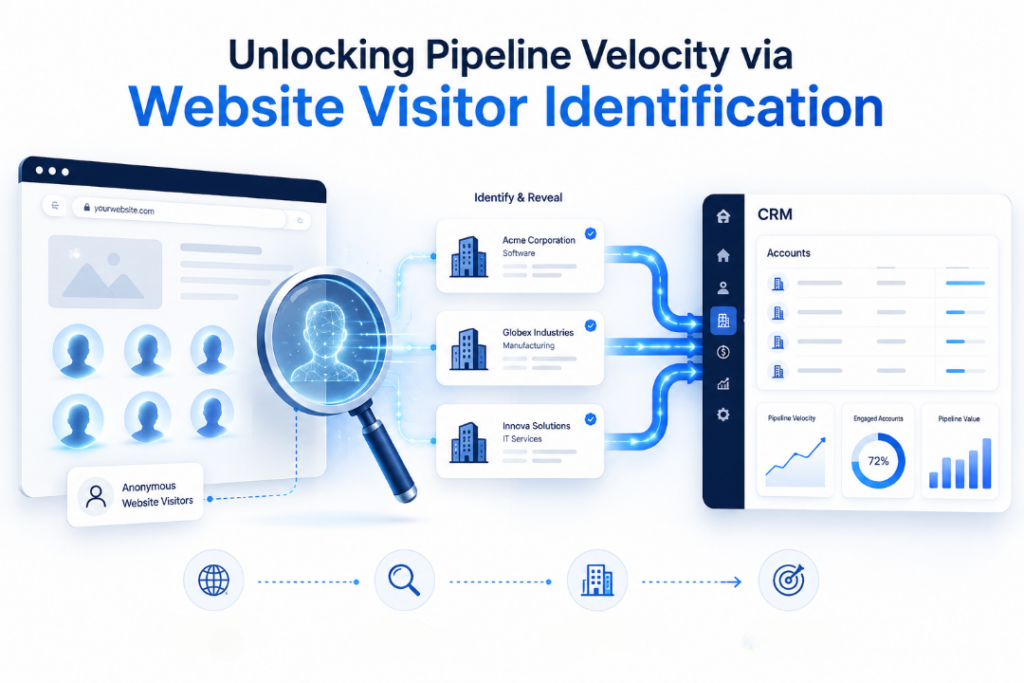
- Account Identification: Convert anonymous IP traffic into firmographic account profiles instantly.
- RevOps Alignment: Pass actionable account context directly into internal workflows to maintain tight SLA tracking.
- Contextual Outreach: Equip sales representatives with precise topic interest data so every touchpoint delivers immediate value.
This targeted intelligence ensures B2B lead generation remains high performing, compliant, and focused exclusively on active buyers.
FAQs About Privacy First B2B Marketing
What is the difference between first party and zero party data?
First party data is passive behavioral intelligence gathered directly from user interactions on your website. Zero party data is explicitly shared information given voluntarily by the user through surveys, form fields, interactive calculators, or preference centers.
How does privacy first marketing improve CRM data quality?
Privacy first strategies filter out unverified, non-compliant third party contact records before ingestion. By relying solely on direct consent and validated identification technologies, your CRM maintains clean, actionable, and compliant prospect records.
Can website visitor identification comply with GDPR and CCPA?
Yes, website visitor identification complies with GDPR and CCPA when structured to match business IP addresses against public domain records without using personal profiling cookies or tracking individual consumer habits across external domains.
Why should revenue operations care about privacy compliance?
Revenue operations teams rely on accurate data inputs to project forecasts and optimize conversion pathways. Non-compliant data causes high bounce rates, damaged sender reputations, wasted sales bandwidth, and potential financial fines.
Elevate Your Revenue Engine Compliantly
Transitioning to privacy first B2B marketing protects brand reputation while building a repeatable growth engine. Leveraging verified first party intent data improves CRM data quality, aligns sales and marketing, and speeds up deal cycles. Ready to see which target accounts are browsing your site right now? Start a free trial of Dynamic Leads today and transform anonymous traffic into compliant revenue.